Independent Game Project
Tomb Raider
Lost and Found — Chapter One
Independent Game Project
Lost and Found — Chapter One
Overview
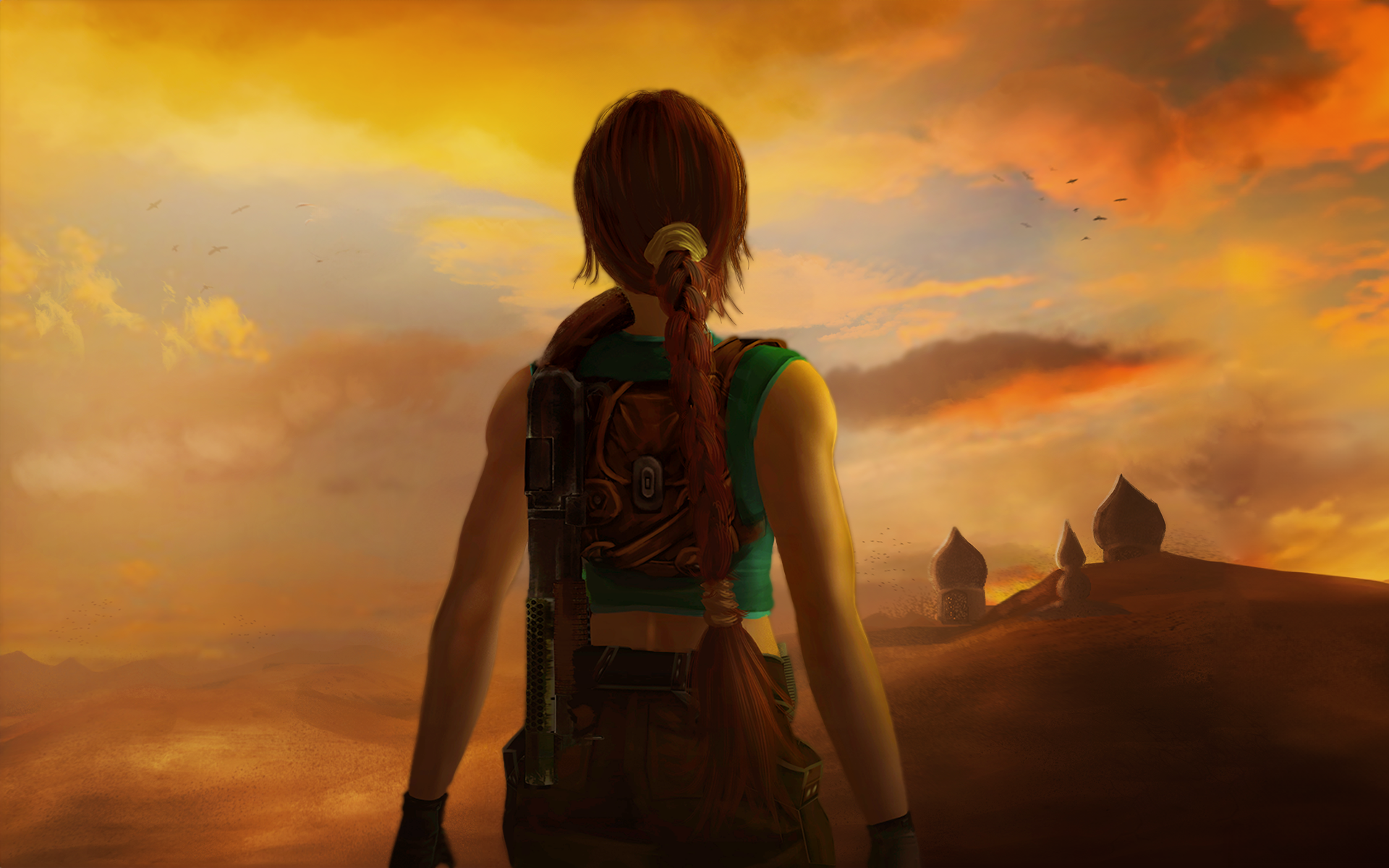
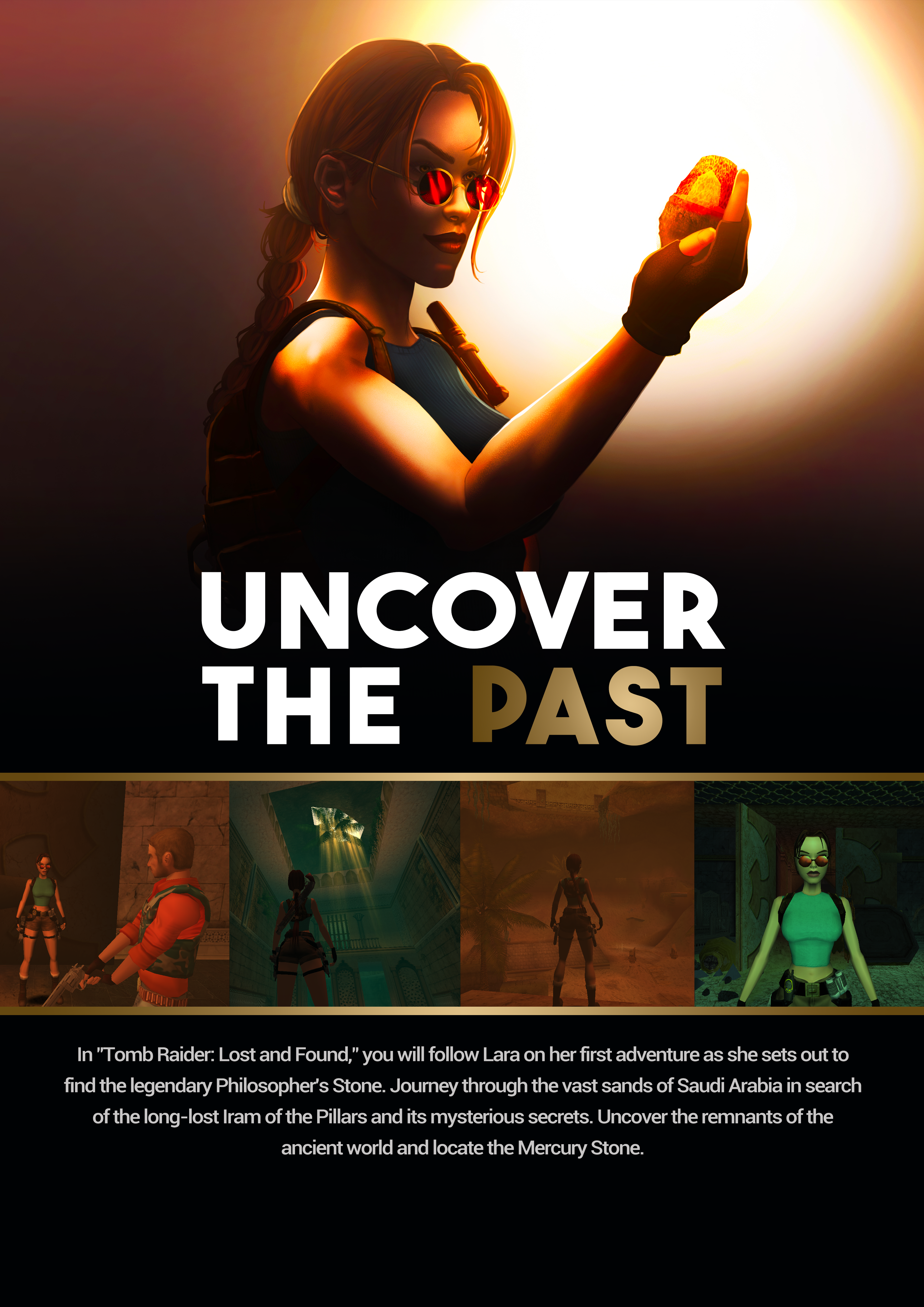
Tomb Raider: Lost and Found is an independently designed and published game built inside the original Tomb Raider Level Editor. The project's ambition was straightforward: make something that feels like a missing classic, a game that could have shipped in the early 2000s and belonged on the same shelf as the originals.
Chapter One is a complete, standalone experience with four handcrafted levels, a fully playable Croft Manor, four optional secret tombs, and an original story that slots precisely into the classic Tomb Raider timeline. It runs approximately four hours, comparable in length to several original series entries.
Almost everything was built by a single person, from level design and environment art through to lore writing, puzzle design, asset curation, and texture work. The game was released in 2024 and ranked 8th most downloaded on the platform on debut.
Prologue
In the classic games, Croft Manor is an optional tutorial. Here it becomes something more. Letters and Polaroids scattered throughout the manor tell the story of Lara's life up to this point, her time with Von Croy, the Irish island, the Himalayas, the arranged marriage, the plane crash, her family's disapproval. The rewritten origin story adds emotional context without becoming Lara's defining trauma. The main campaign does not reference it. The player learns who Lara is before the adventure begins.
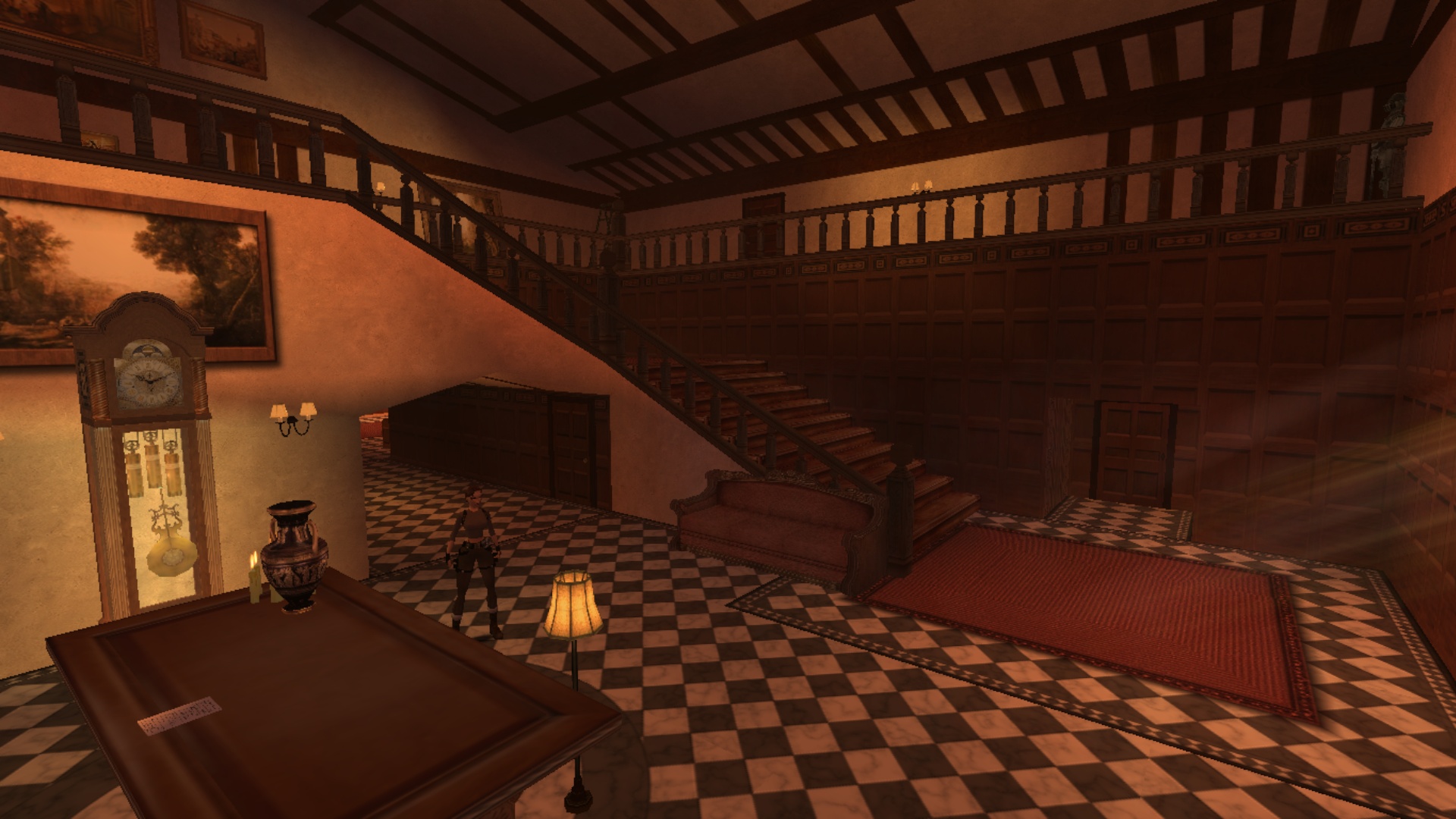
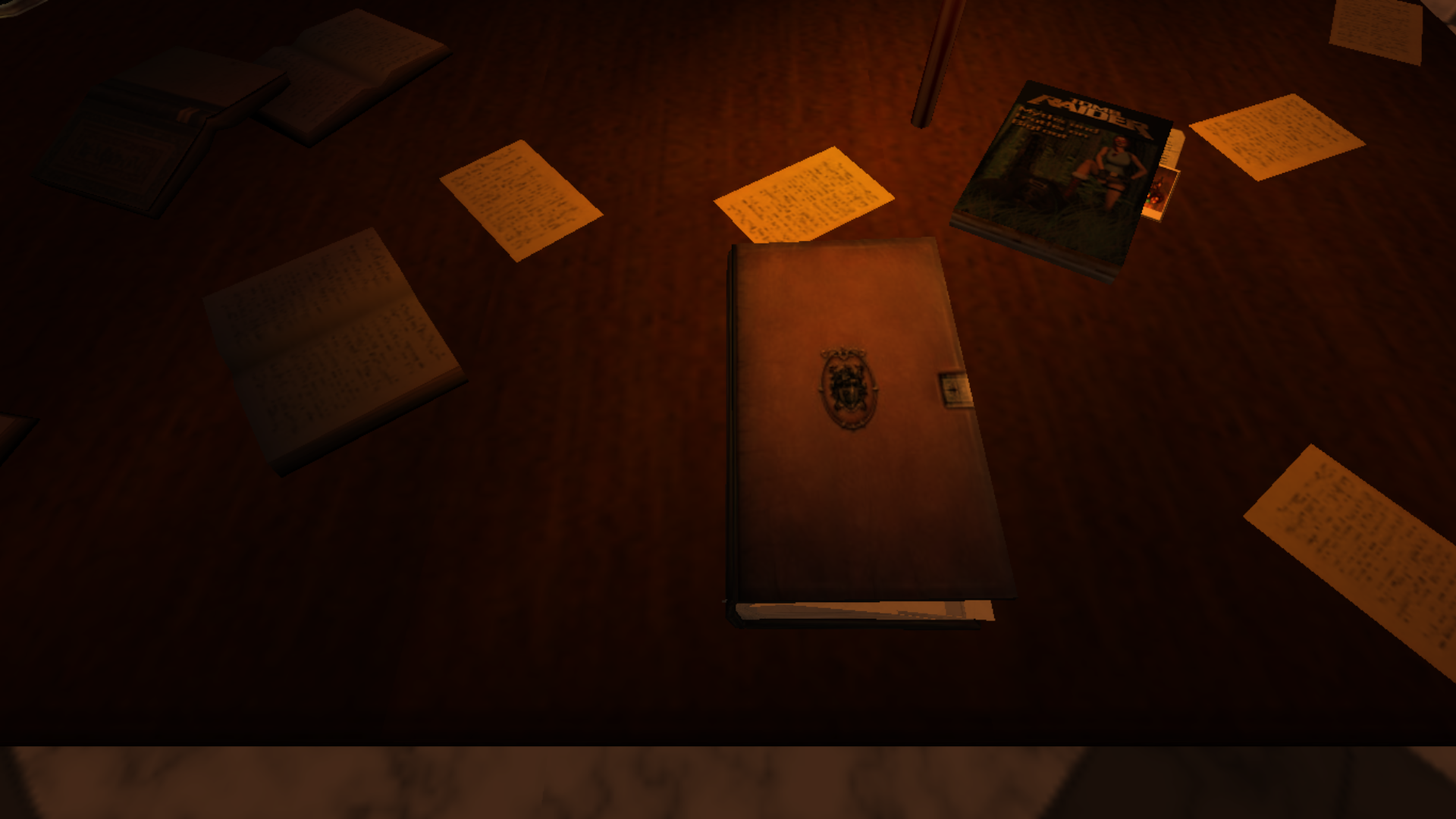
Croft Manor · Grand Hall and Study
Design Note
The tutorial and the origin story serve the same space. Every room teaches a control and every document adds a layer to who Lara is before the player ever leaves the manor. Neither function is wasted.
Level One
Lara follows a lead about refugees fleeing the burning of the Library of Alexandria, heading to the ruins of a fallen civilisation to protect an artefact. The level opens on a vast open desert with multiple ruins visible on the horizon. The map is large enough to feel genuinely explorable, but invisibly structured so that the wrong order of exploration costs minutes, not hours. Inspired by The Lost Valley in TR1, it takes that skeleton and asks: what would this feel like if the player always understood their goal?
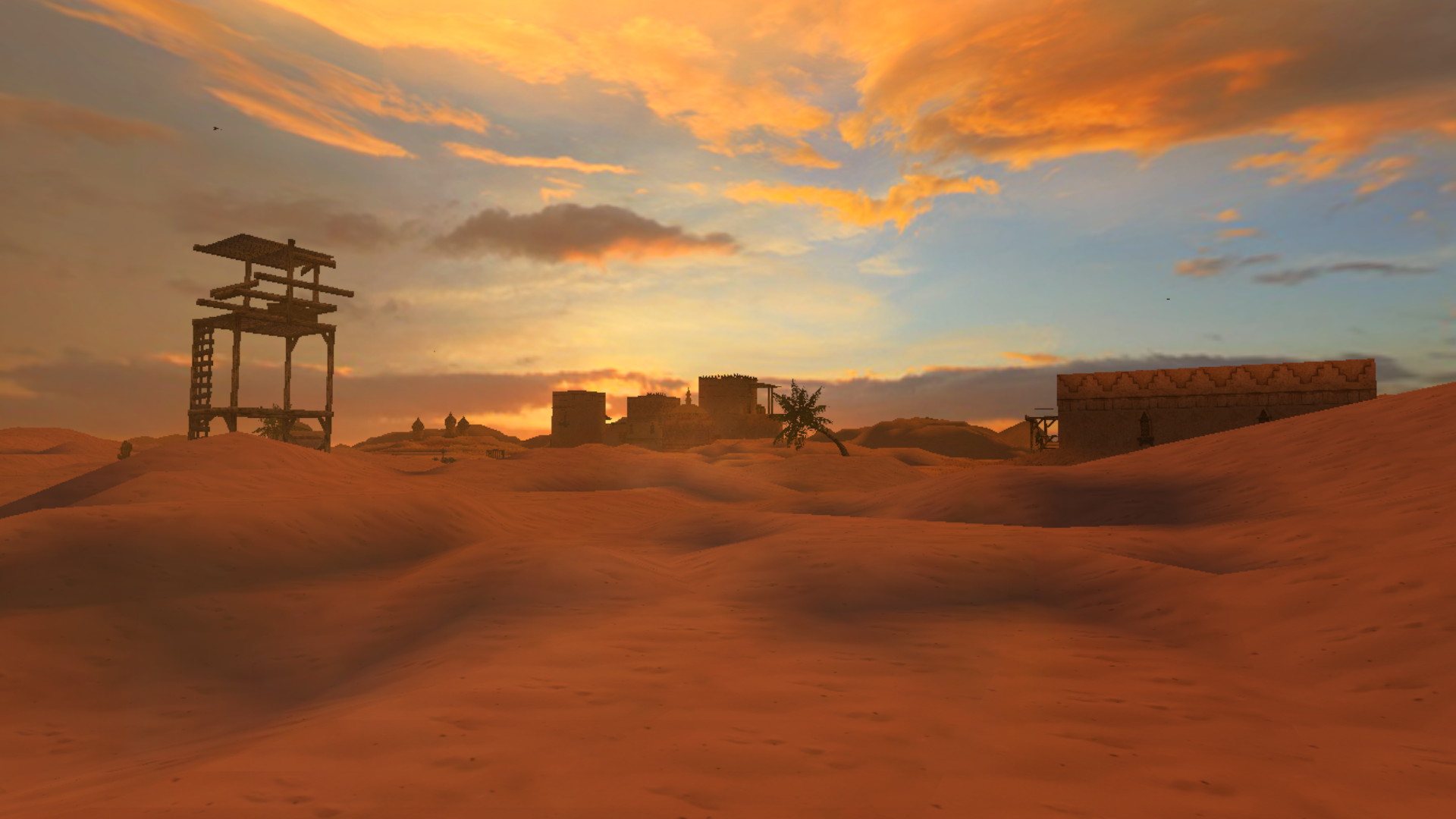
Desert Ruins — The Citadel · Opening panorama
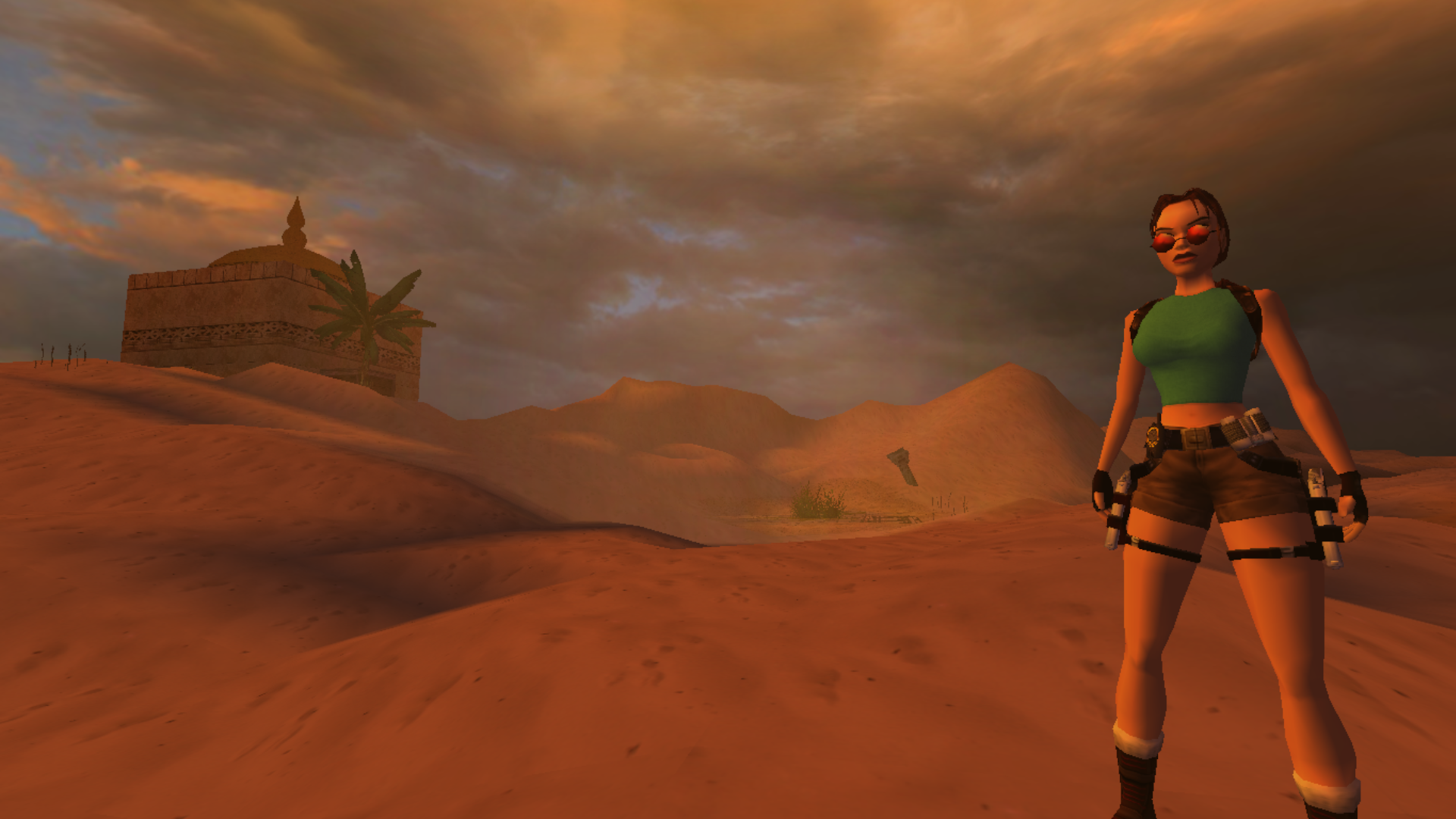
Desert Ruins · Points of interest visible across the open map
Design Note
The mechanism to fix is placed near the entrance of the citadel. Documents scattered through the environment explain that cogs were removed to seal the temple. The master key has a cog design to make its purpose legible without a tutorial prompt. Guided freedom rather than hand-holding.
Level Two
A shift in tone and palette from the open desert. The mines are enclosed, industrial, claustrophobic. Audio recordings of Larson describing problems in the mines explain the state of the environment without briefing the player on how to solve them. Lara must repair the lift and navigate deeper underground. The pacing tightens here deliberately, using verticality and environmental hazard to contrast with the openness of the previous level.
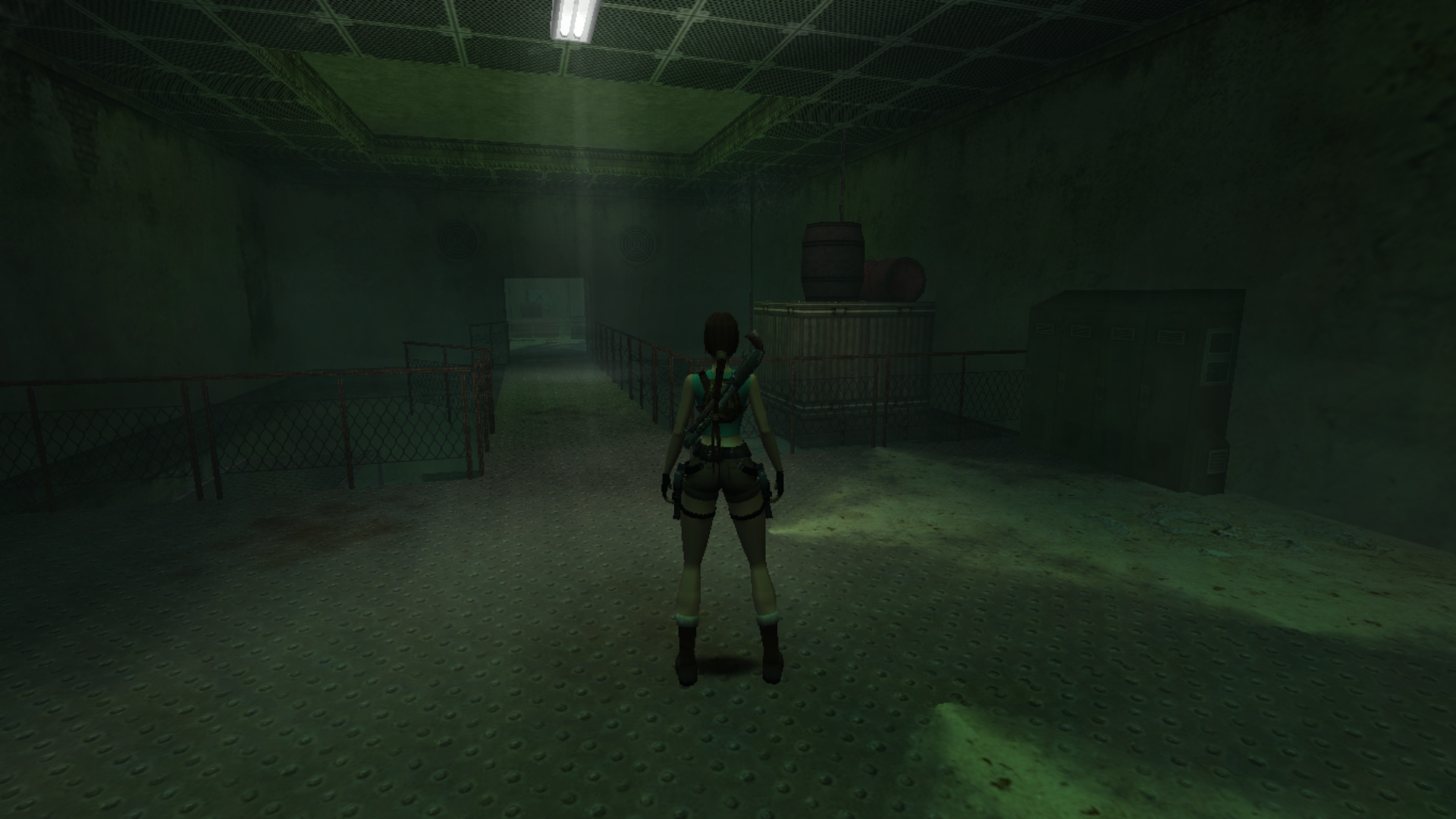
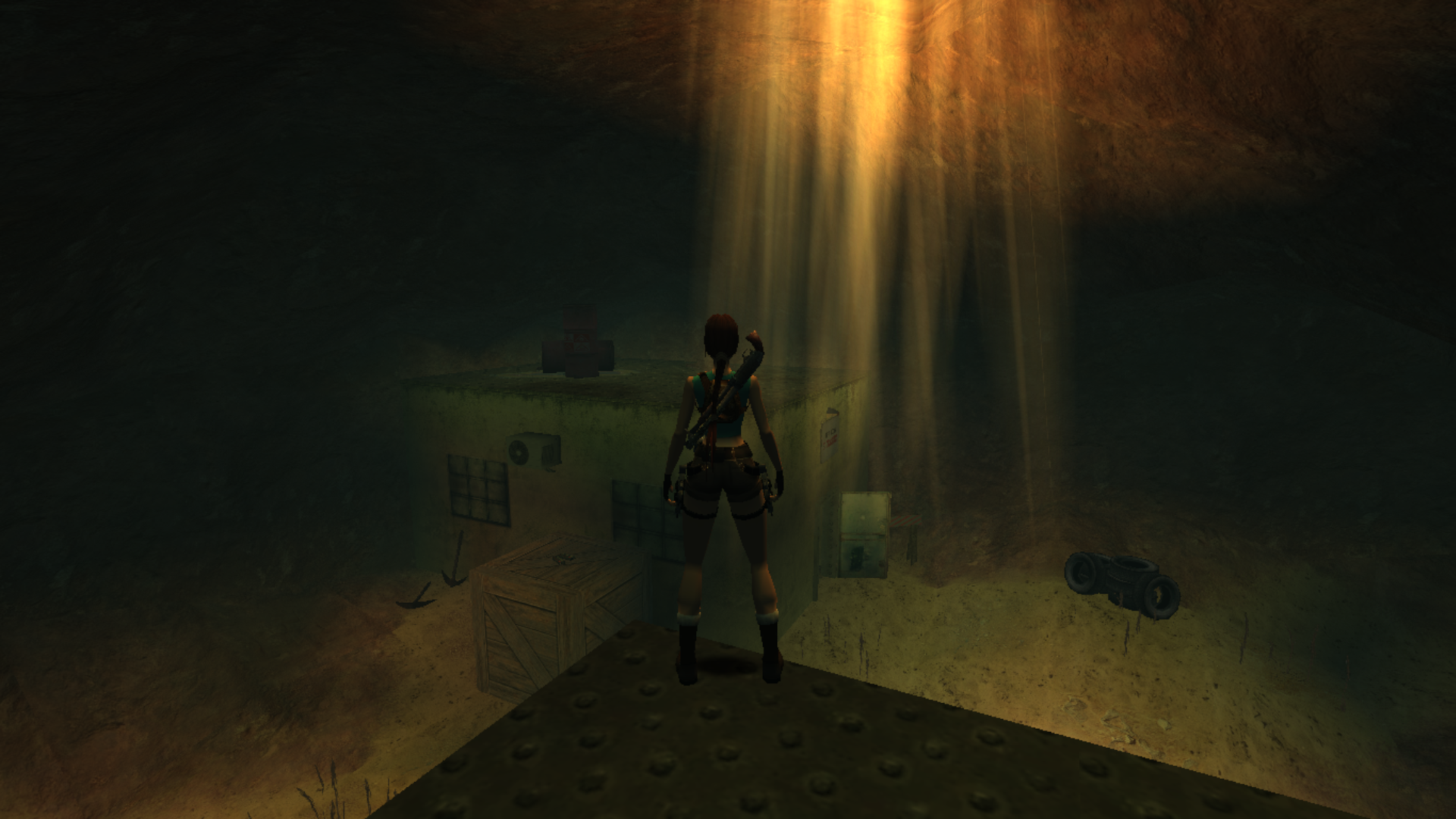
Abandoned Mines · Industrial corridors and underground light shafts
Design Note
The audio does not tell the player what to do. It tells them why things are the way they are. The solution is always left for the player to figure out. Narrative and gameplay serve each other without merging into a tutorial.
Level Three
The centrepiece level and the widest in scope. Iram is an ancient city hiding two separate secrets: an ancient palace that protects the Mercury Stone, carried here by refugees from the Library of Alexandria, and access to the aquifer in which the majority of the city fell into. Pierre and Larson cross paths with Lara here for the second time. The level has the most varied puzzle types in the game and the most layered environmental storytelling. It merges exploration, combat, and puzzle design across multiple interconnected spaces.
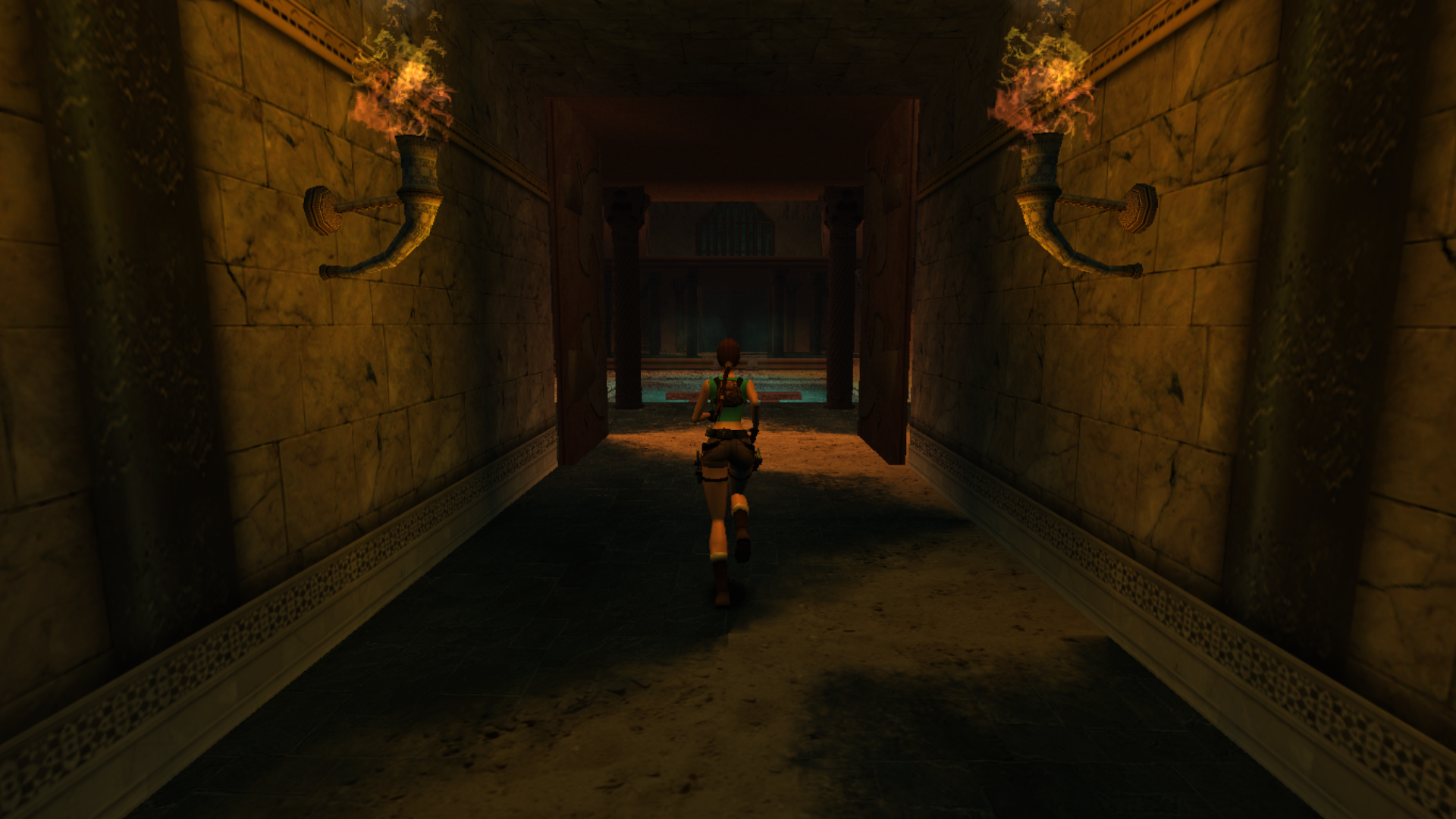
Lost City of Iram · Temple entrance corridor
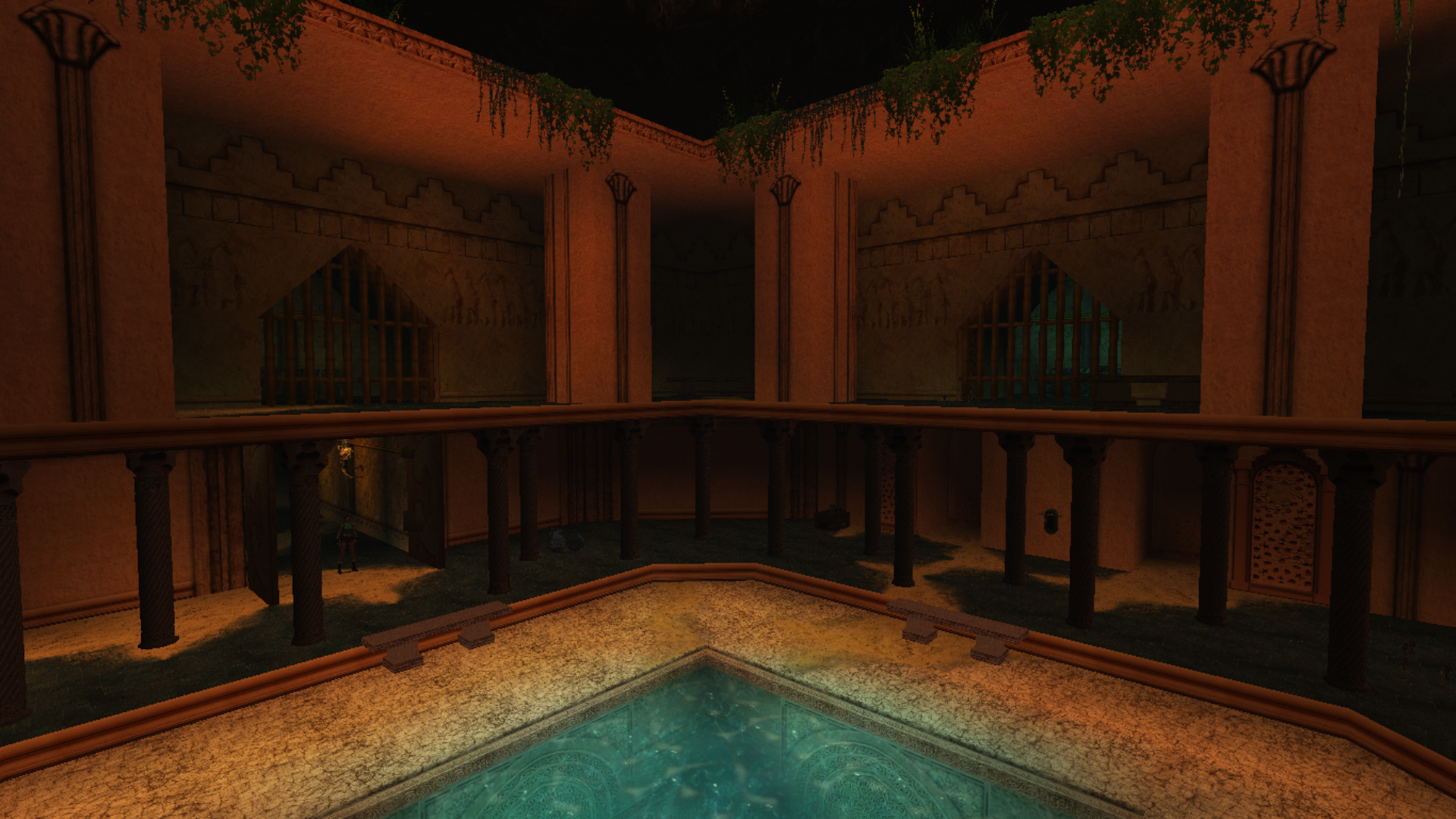
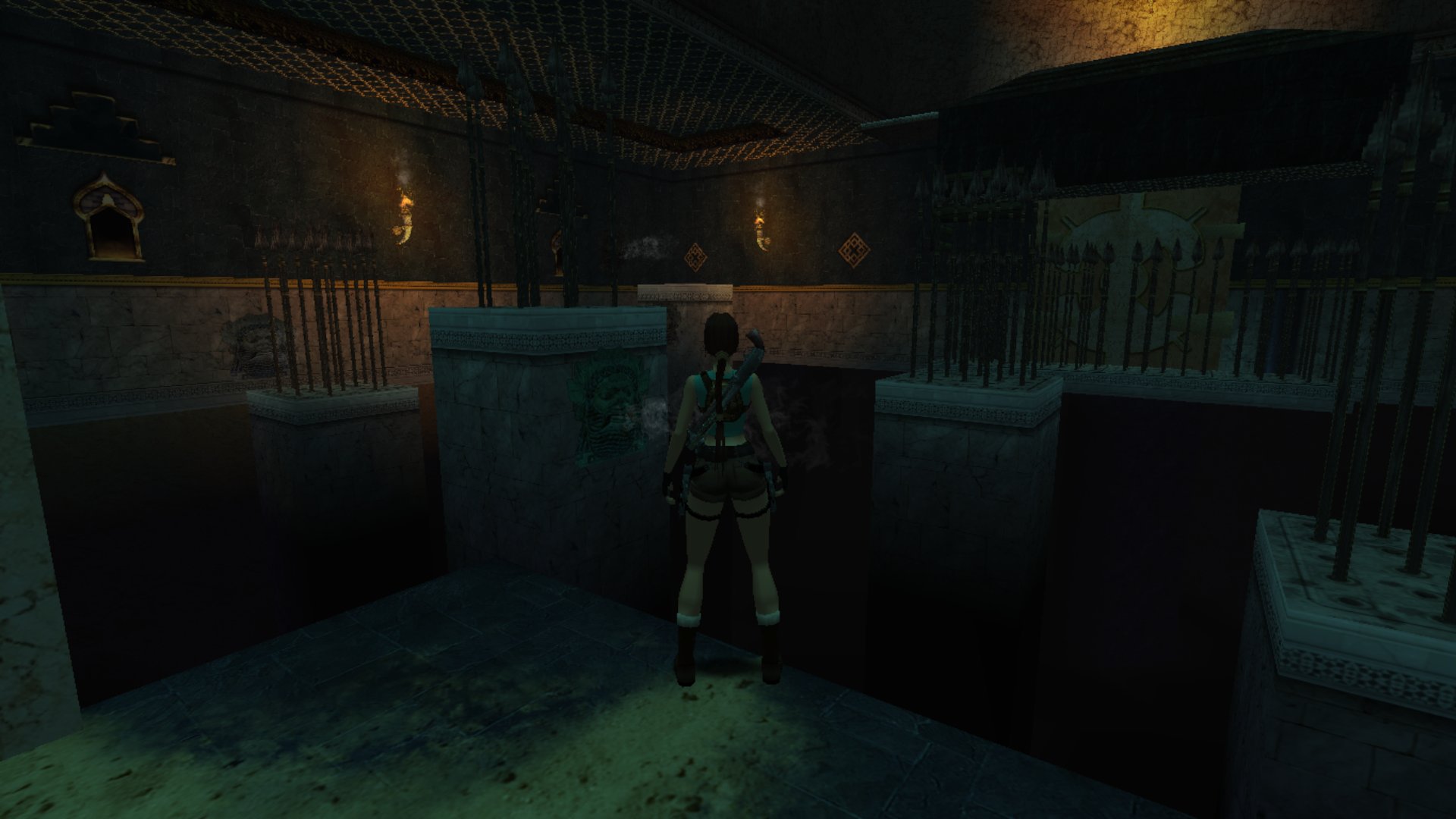
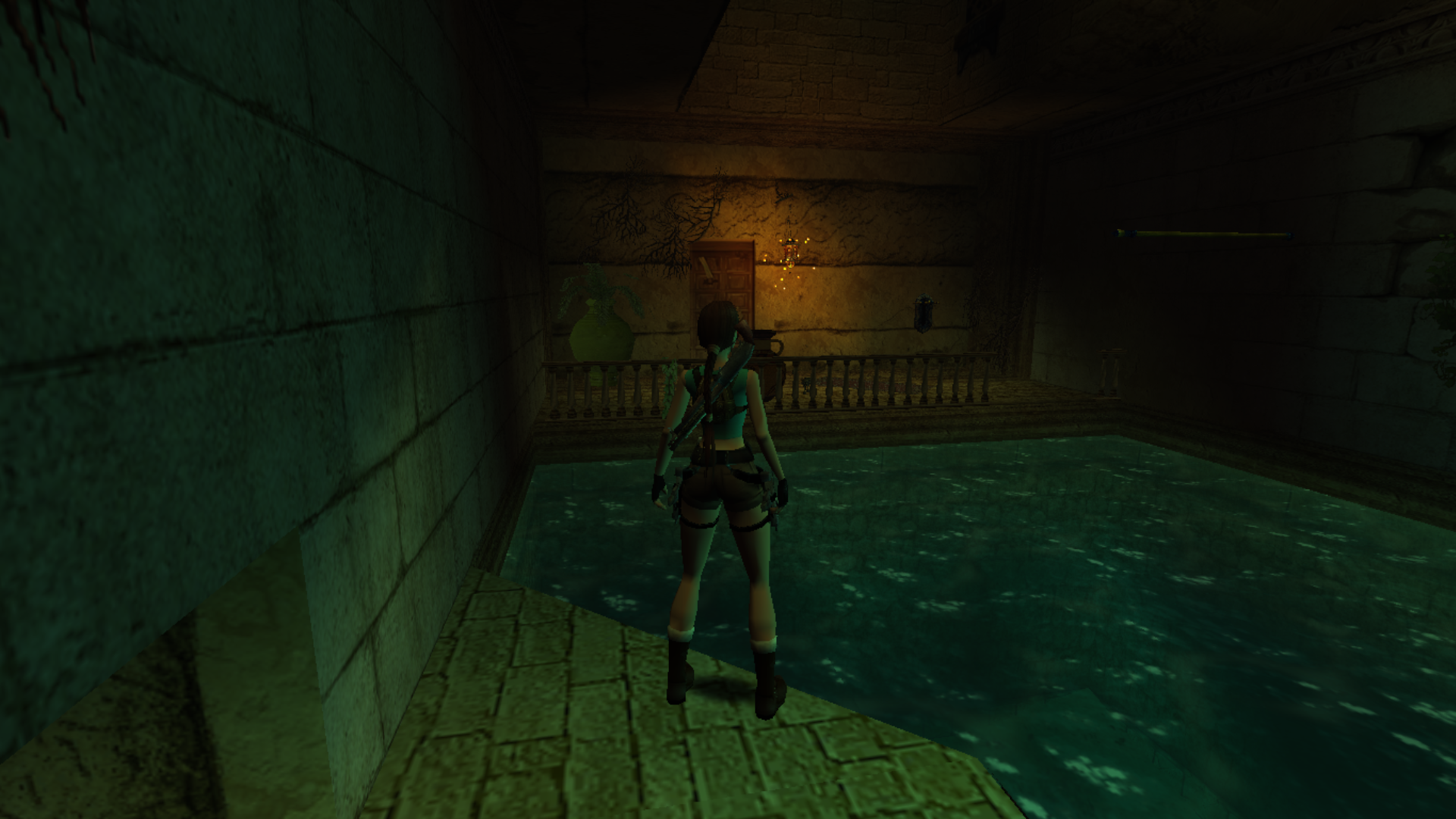
Lost City of Iram · Courtyard, platforming section, and interior chambers
Design Note — The Puzzle Philosophy
The best puzzles in Lost and Found are designed to be failed once. Not out of cruelty, but because failing correctly teaches everything needed to solve it. One multi-switch room places the switch that must be used last right at the entrance. The player pulls it first. The environment reacts. The player has now seen the goal and understood the sequence, without a single word of instruction. The target is always that A-ha moment.
Level Four
The final level features a series of underwater or semi-submerged ancient buildings. The space alternates between huge underwater chasms and narrow corridors. The narrative takes a step back to let the environment tell horrors the inhabitants faced during the cataclysm that destroyed Iram. The colour palette incorporates the warm amber of Iram to deep teal and green.
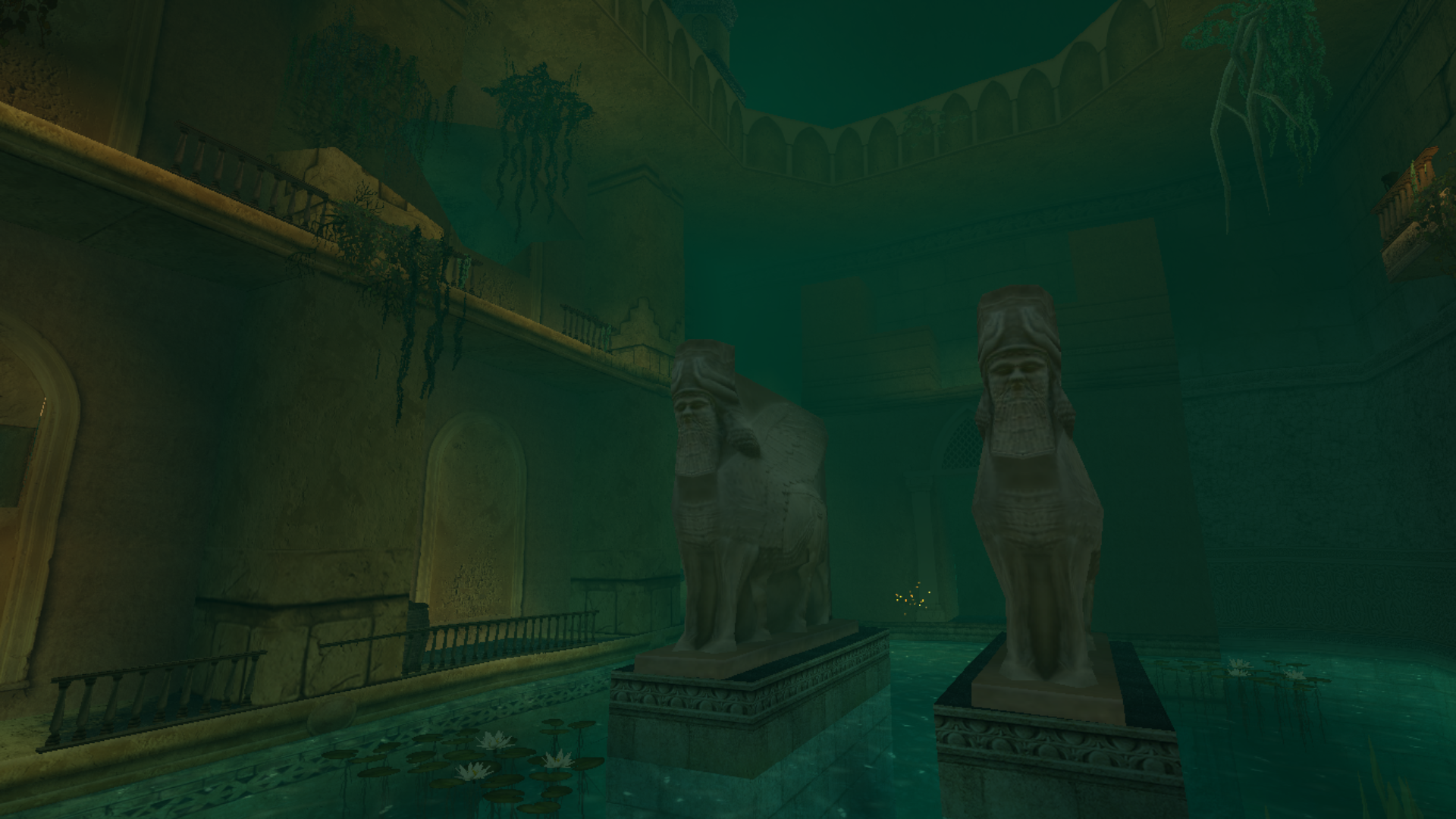
Sunken Ruins · The flooded hall
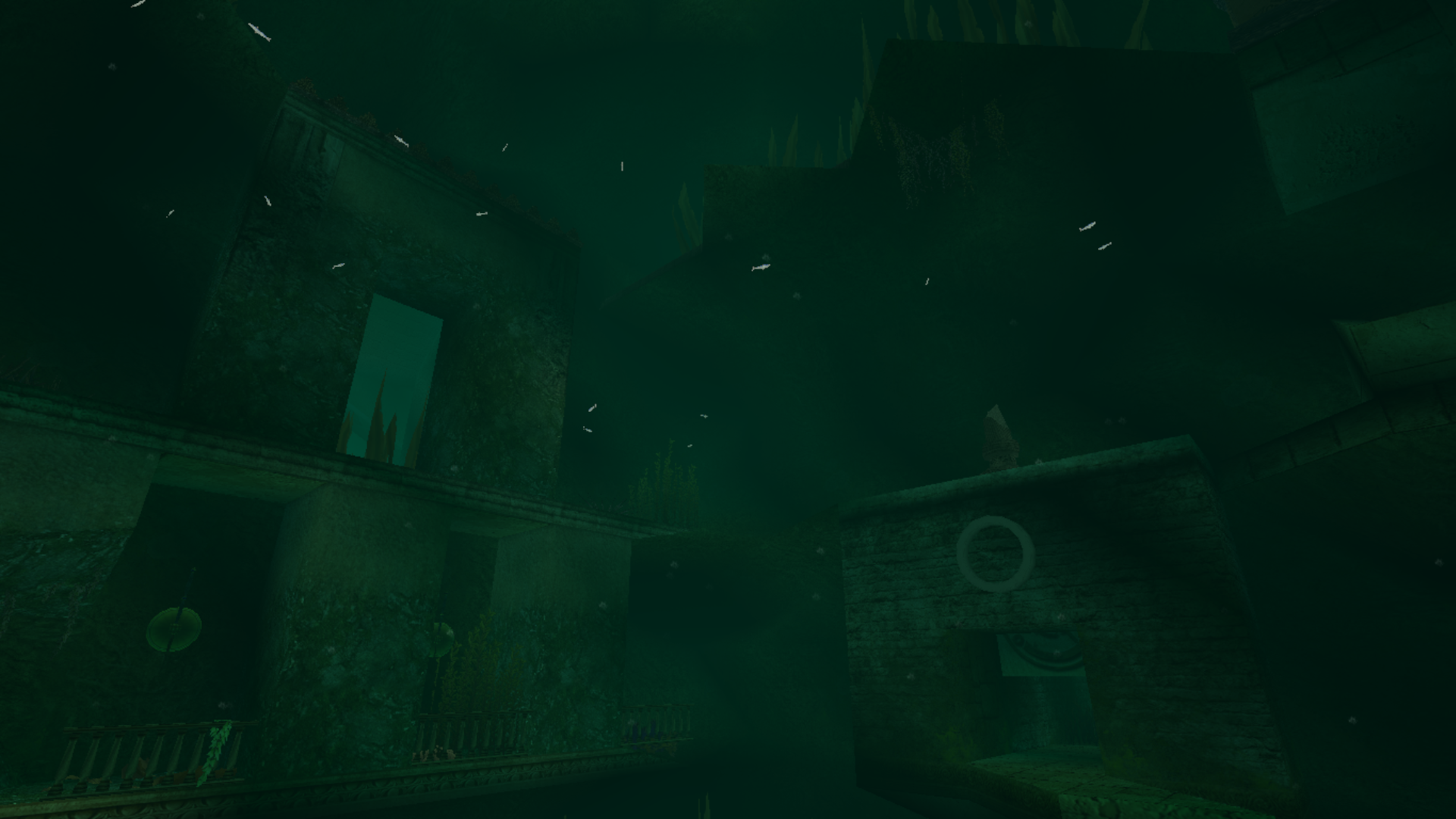
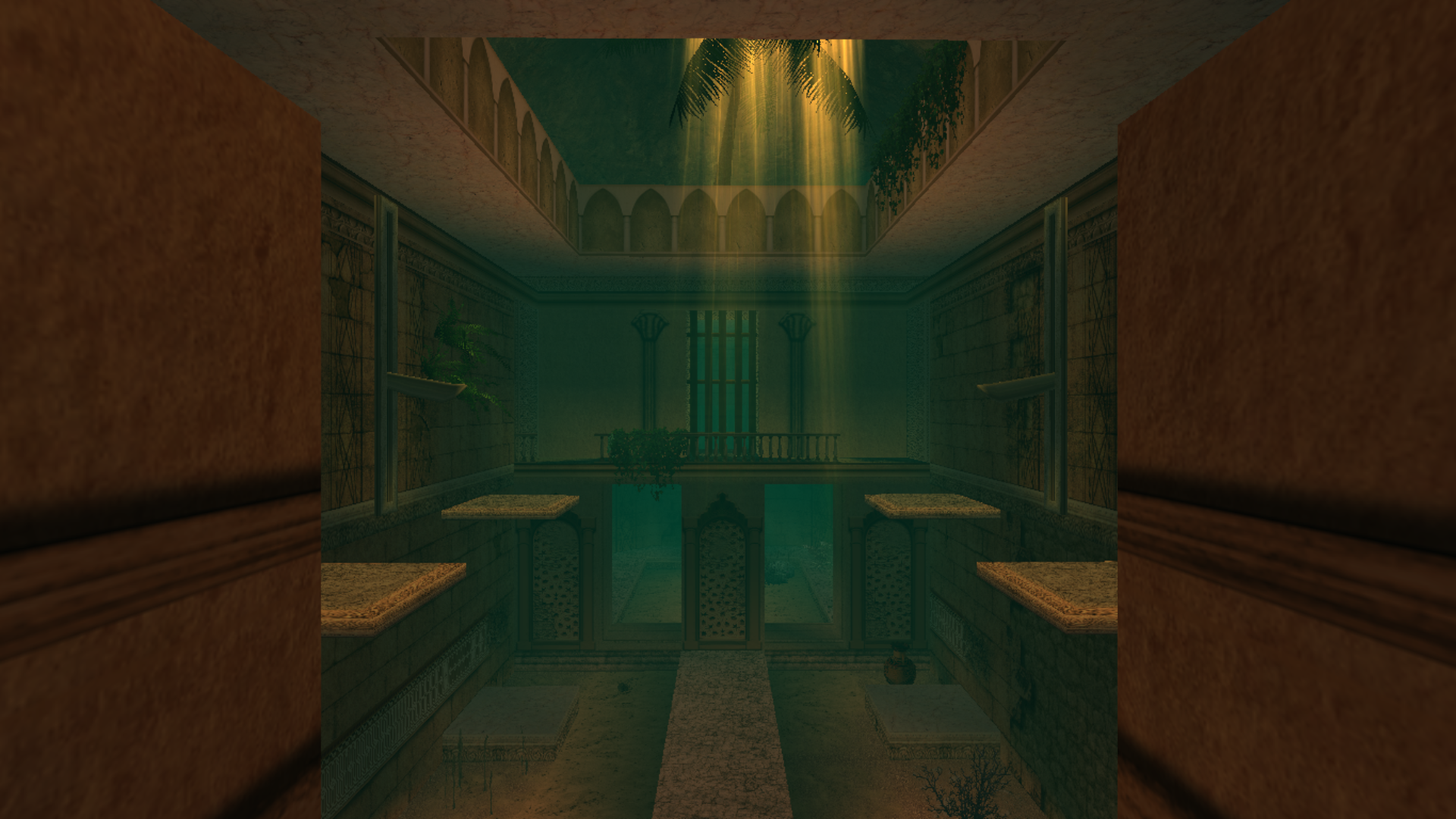
Sunken Ruins · Underwater navigation and interior chambers
Recognition
Ranked 8th most downloaded on the platform on debut.
The first Tomb Raider Level Editor project to receive a dedicated leaderboard page on Speedrun.com.
Players streamed full playthroughs on release, spending time exploring every corner of each level.
Invited to speak at Tomb Raider Derby, an annual event held in Derby, the hometown of Core Design, the original developer of the franchise. Presented alongside community figures who have been active since 2003. Lost and Found was released in 2024 and the panel took place in 2025.
Play the Game
Available to download on TRCustoms, the dedicated Tomb Raider Level Editor community platform. Chapter Two is in development.